
The Art of Home Renovation with Stylish Upgrades for Every Room
Home renovation is often viewed through the lens of necessity—fixing a leaking roof, repairing cracked tiles, or painting over faded walls. However, from the perspective of a digital marketing expert who has spent over a decade analyzing the interior design industry, renovation is much more than simple maintenance. It is an art form. It is the deliberate act of reimagining a space to better fit the evolving lifestyle of its inhabitants. Over the last ten years, the narrative around home improvement has shifted significantly. The conversation has moved from “repairing” to “curating.” Homeowners today are not just looking to fix what is broken; they are looking to elevate their standard of living through strategic design choices that reflect their personality and aspirations.
The process of renovating a home is akin to painting on a canvas that already has a background. It requires a delicate balance of respecting the existing structure while introducing modern functionality and aesthetics. Whether it is an ancestral home that needs a contemporary touch or a ten-year-old apartment that feels stuck in the past, the goal is always the same: to create a cohesive, stylish, and functional environment. This blog delves into the art of renovation, offering a comprehensive guide to upgrading every room in the house with style, purpose, and expert insight.
The Strategic Blueprint for a Successful Makeover
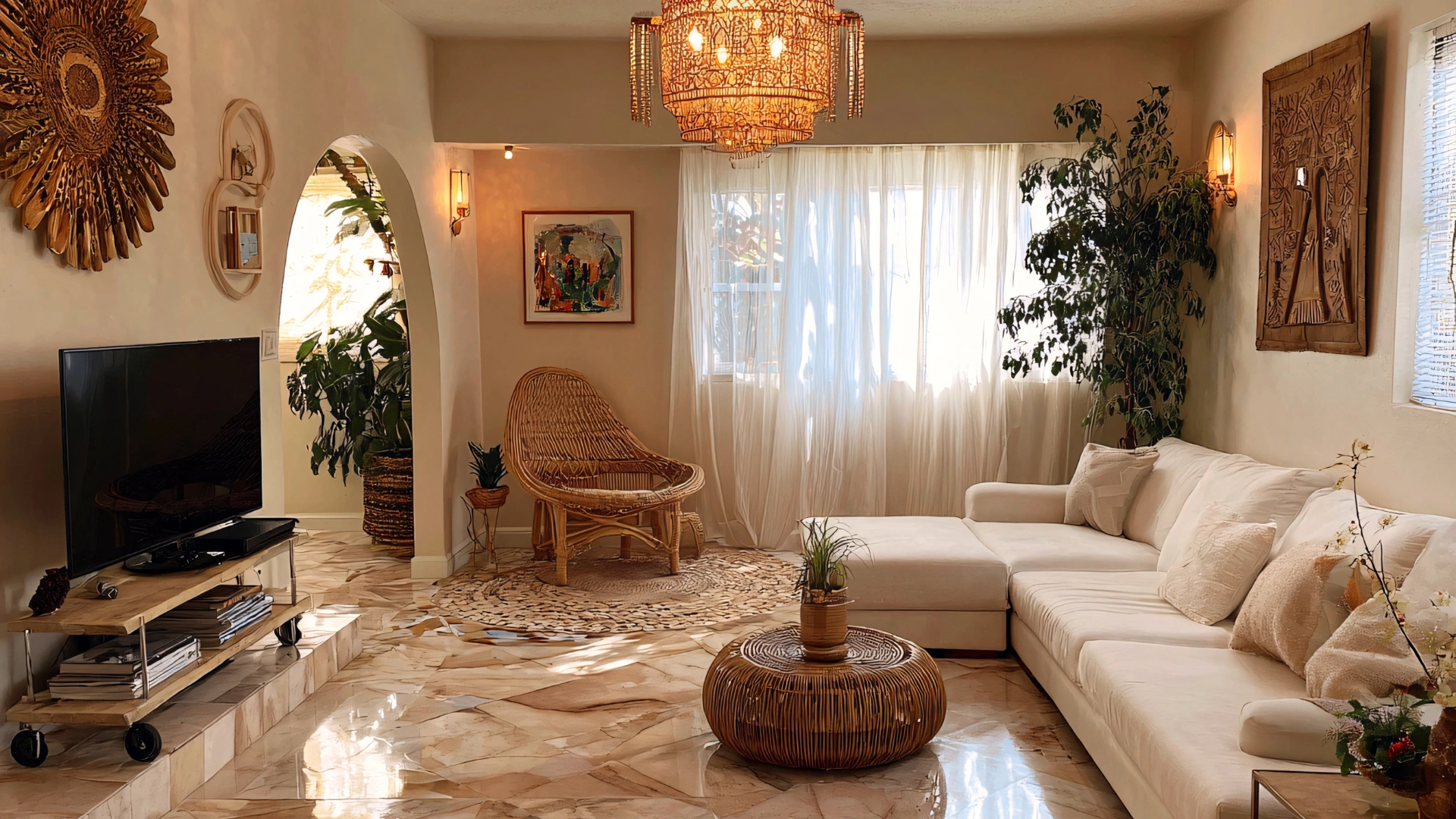
A successful renovation project does not begin with a demolition hammer; it begins with a vision. The planning phase is arguably the most critical part of the entire process. Before a single tile is removed or a wall is painted, one must establish a clear theme. Is the goal a minimalist Scandinavian vibe, a warm rustic farmhouse look, or a sleek industrial modern aesthetic? Inconsistency is the enemy of good design. A home where the living room is traditional Indian and the kitchen is ultra-modern space-age can feel disjointed and chaotic. Establishing a mood board that defines the color palette, textures, and overall vibe is the first step toward a unified home.
Budgeting is another pillar of the strategic blueprint. In the digital age, inspiration is everywhere, from Pinterest boards to Instagram reels. However, translating those digital dreams into reality requires a realistic understanding of costs. This includes not just the cost of materials like marble, quartz, or teak wood, but also labor, electrical rewiring, plumbing, and waste disposal. It is often wise to allocate a contingency fund—usually 10% to 15% of the total budget—for unforeseen surprises. In renovation, “hidden issues” like dampness behind a wardrobe or outdated wiring are common once the work begins.
Furthermore, structural changes often require professional intervention. Knocking down a wall to create an open-plan living area is a fantastic way to modernize a home, but it involves load-bearing calculations and architectural safety. This is where the difference between a DIY enthusiast and a seasoned professional becomes apparent. For comprehensive overhauls that involve structural integrity, complex spatial planning, and high-end finishing, homeowners often seek the expertise of the Best Interior Designers in Bengaluru. These professionals act as the conductors of the renovation orchestra, ensuring that the plumbers, electricians, and carpenters work in harmony to bring the design vision to life without compromising safety, timeline, or quality.
Also read: Urban Apartment Interiors for Trendy City Living
Elevating the Heart of the Home: Public Spaces
When prioritizing renovation zones, the kitchen and living areas usually top the list. These are the “public” faces of the home, the spaces where life happens, where guests are entertained, and where families bond. The modern trend in kitchen renovation is the move toward the “social kitchen.” Gone are the days when the kitchen was a closed-off, utilitarian room solely for cooking. Today, it is an entertainment hub.
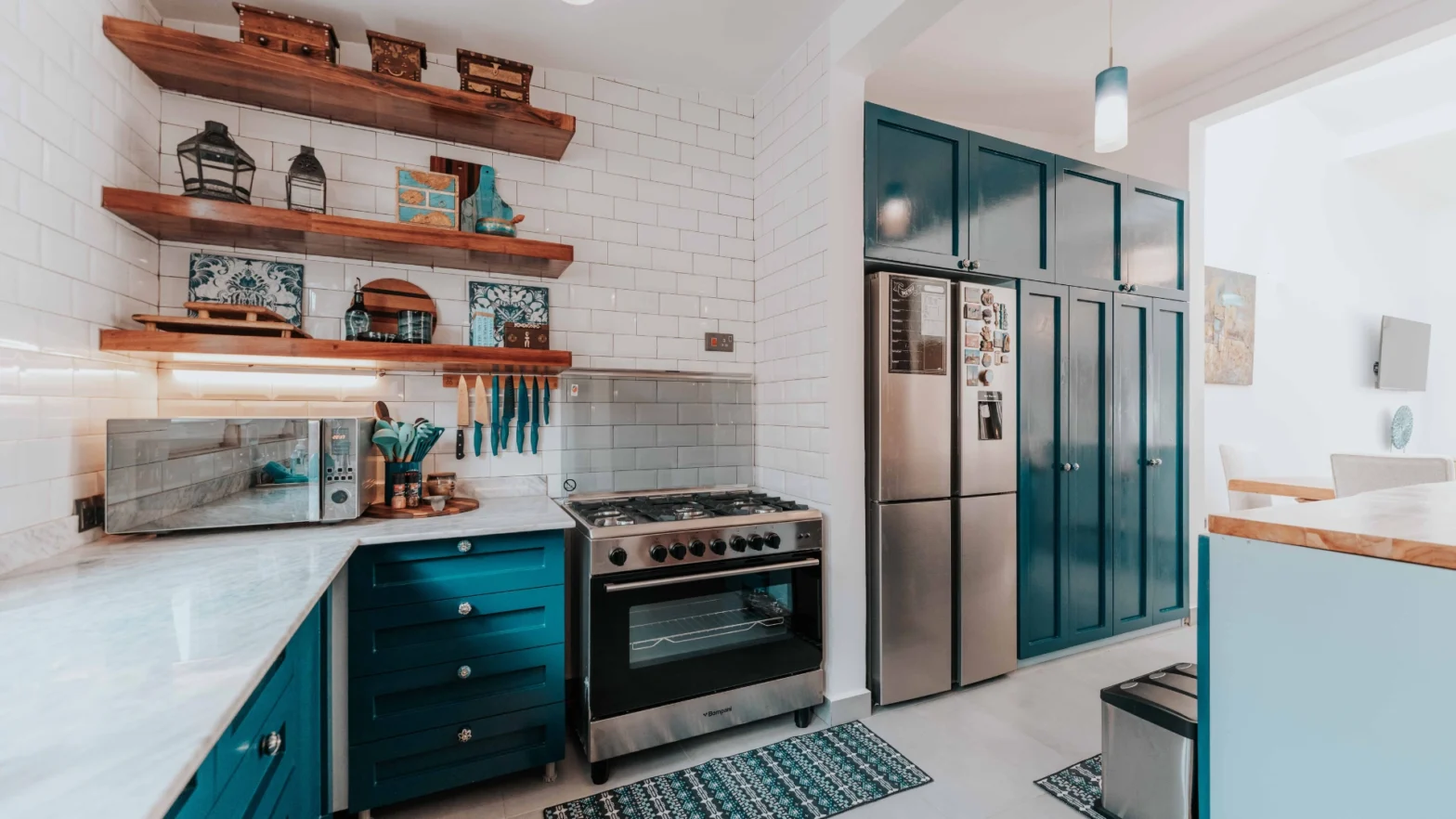
Renovating a kitchen often involves removing partitions to integrate it with the dining and living areas. The addition of a kitchen island is a game-changer in this regard. It serves multiple purposes: a prep station, a breakfast bar, and a visual divider that separates the culinary zone from the relaxation zone without blocking light or conversation. In terms of materials, the trend is moving toward matte finishes for cabinetry which hide fingerprints better than high-gloss and durable quartz countertops that mimic the look of marble but offer greater resilience against Indian cooking stains like turmeric and oil.
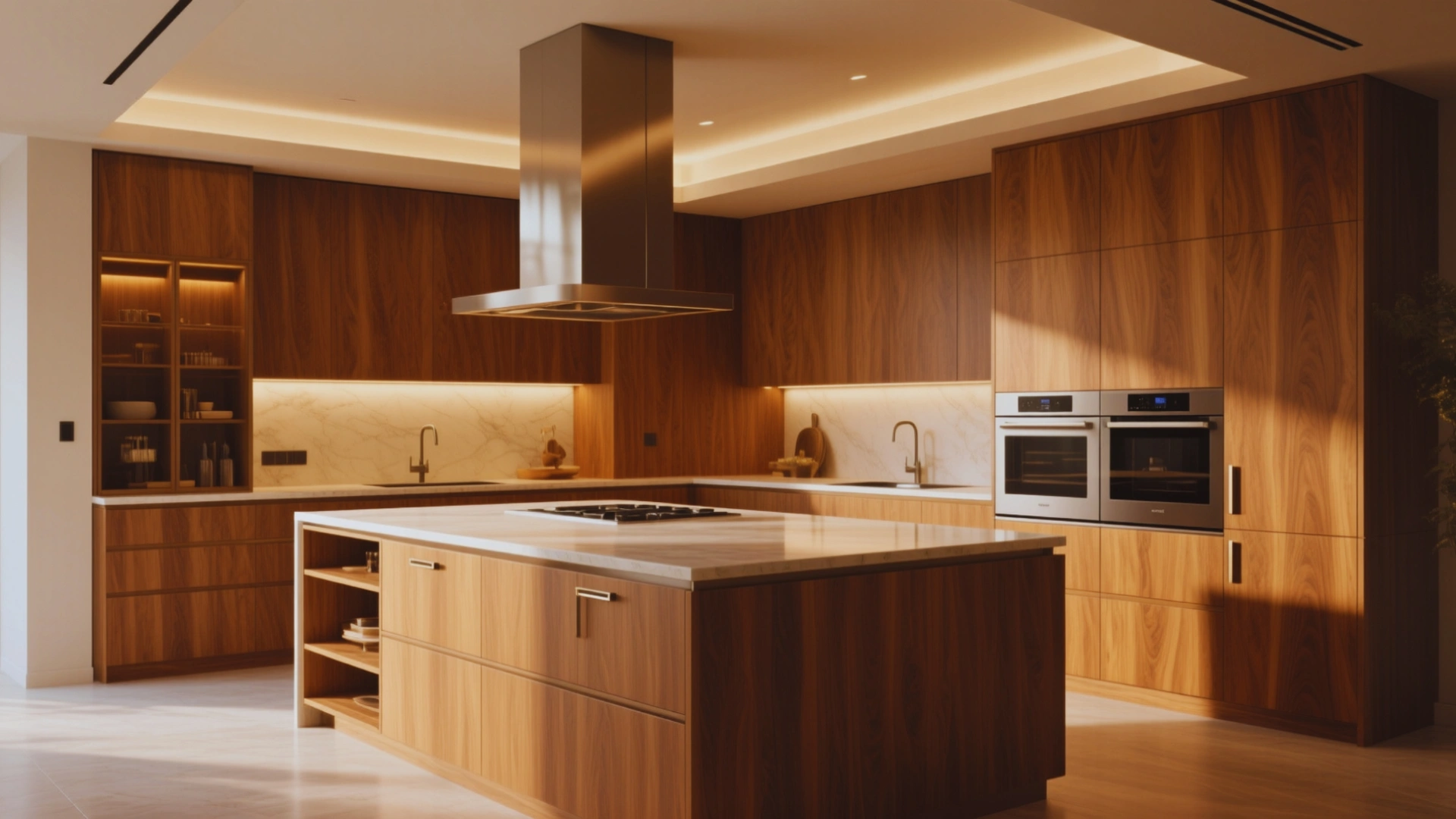
Context plays a huge role in these designs. For instance, in specific residential hubs known for their spacious apartments and villas, the design approach often leans towards grandeur and tech integration. Homeowners in these IT-centric locales often desire smart homes where lighting, temperature, and security are integrated into the design infrastructure. Those looking to renovate in these specific upscale neighborhoods often consult the Best Interior Designers in Whitefield to ensure their homes reflect the modern, tech-savvy ethos of the area. These experts specialize in maximizing the potential of large floor plans, ensuring that the flow between the kitchen, dining, and living areas is seamless, sophisticated, and suited for a contemporary lifestyle
Revitalizing Private Sanctuaries: Bed and Bath
While the public areas are designed to impress, the private quarters the bedrooms and bathrooms are designed to comfort. The philosophy behind renovating these spaces is to create a retreat, a personal sanctuary where one can decompress from the stresses of the outside world.
In the bedroom, the walls are the primary canvas for change. A fresh coat of paint in calming hues like sage green, dusty blue, or warm beige can lower the energy of the room, promoting sleep. However, for a more stylish upgrade, wall paneling or wainscoting adds architectural interest and elegance that paint alone cannot achieve. This adds a 3D element to the room, making it feel finished and expensive. Wardrobe renovation is another key aspect. Replacing bulky, free-standing cupboards with floor-to-ceiling built-in wardrobes maximizes storage and creates a clean, uncluttered look. Sliding doors with mirrors can also make a compact bedroom feel twice its size by reflecting light.
Bathrooms are often the most overlooked candidates for renovation, yet they offer the highest return on investment in terms of lifestyle improvement. The trend here is the “spa-at-home” concept. This involves replacing standard fixtures with rain showers, installing frameless glass partitions to separate wet and dry areas, and using floating vanities to create a sense of space. Lighting in the bathroom is critical; a combination of bright task lighting for the mirror (for grooming) and soft, ambient lighting (for relaxation) can transform a utilitarian space into a luxury experience.
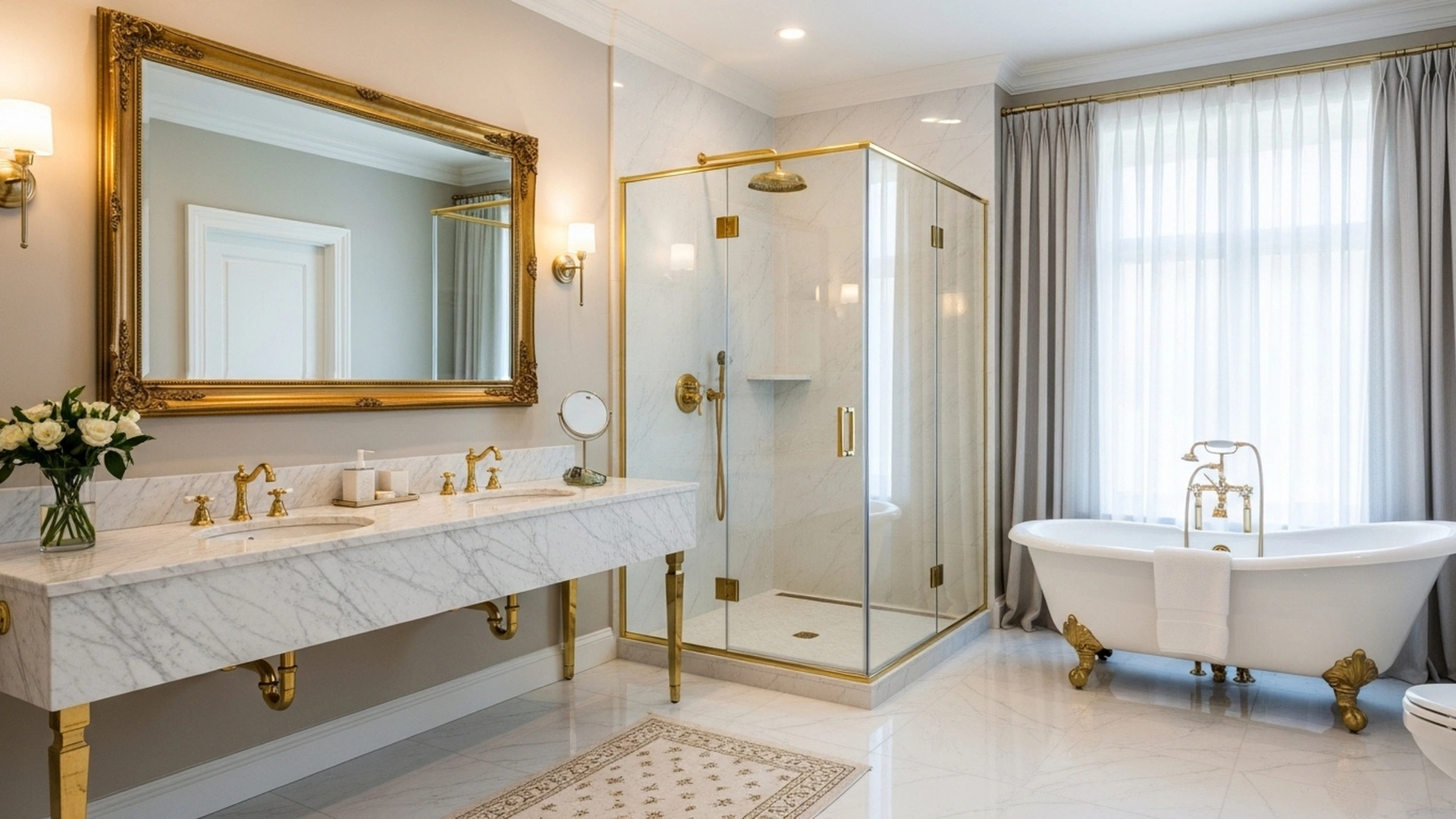
Ultimately, the art of home renovation lies in the details. It is the choice of brushed gold handles on a cabinet, the texture of a rug, the placement of a dimmer switch, and the quality of the hinges. These small stylish upgrades, when applied consistently across every room, accumulate to create a home that feels brand new. Renovation is an investment not just in the property value, but in the quality of life of those who dwell within. It breathes new energy into old walls and turns a house into a true reflection of the people who call it home. By blending aesthetic upgrades with functional improvements, homeowners can craft spaces that remain timeless, comfortable, and undeniably stylish for years to come.