
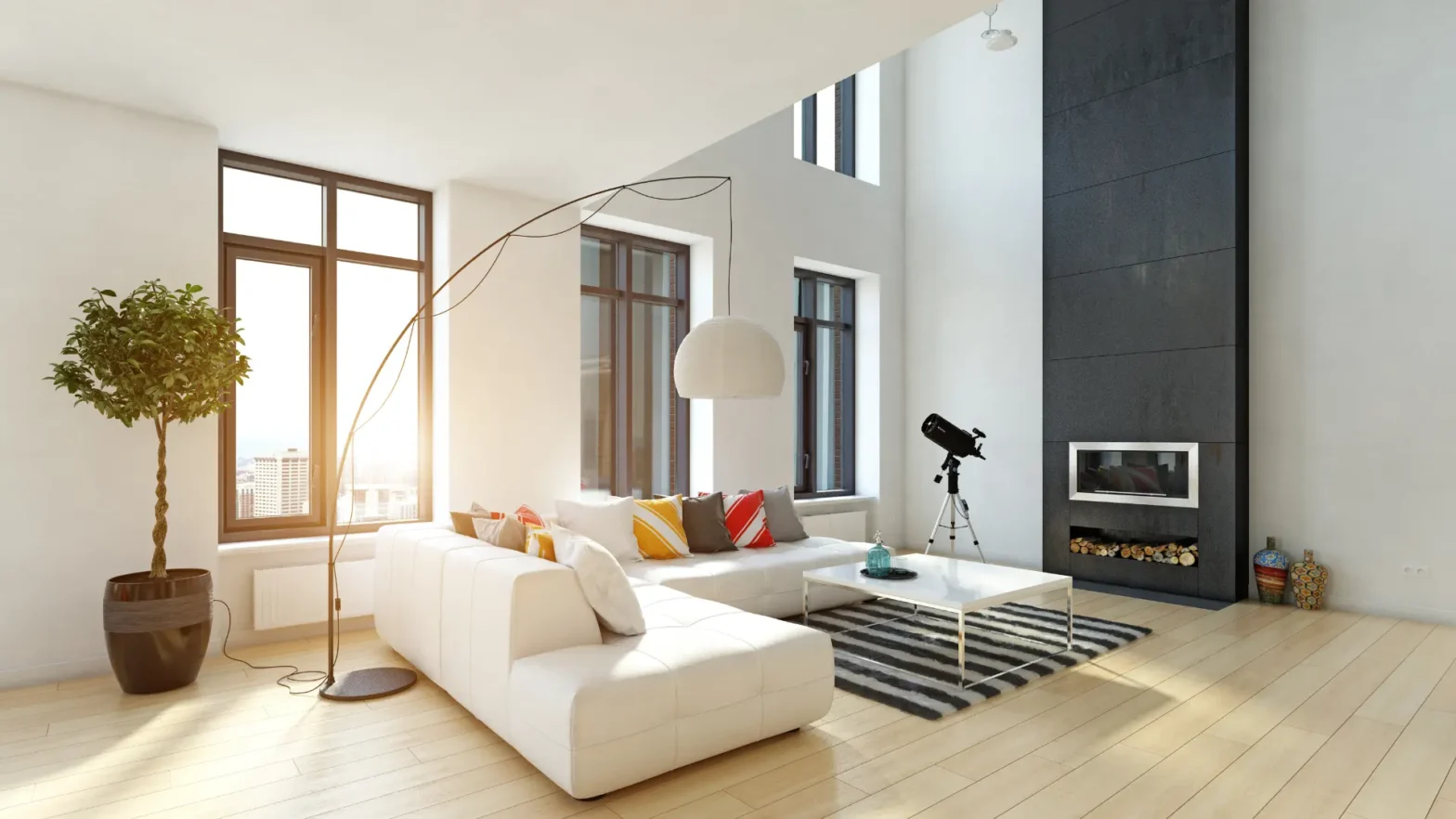
Smart Home Renovation Ideas for Small Spaces
Transforming Compact Homes with Style, Functionality, and Smart Planning
Renovating a small home requires a balance of creativity, practicality, and strategic planning. Every inch matter, and the goal is to make the space feel bigger, more functional, and aesthetically pleasing. Many modern homeowners now embrace the concept of compact living, realizing that smaller spaces can be just as luxurious and efficient as larger ones—when designed intelligently. Eminent Designs understands this shift and recognizes that smart renovation is not just about changing what exists, but about reimagining how space can support lifestyle, comfort, and long-term usability.
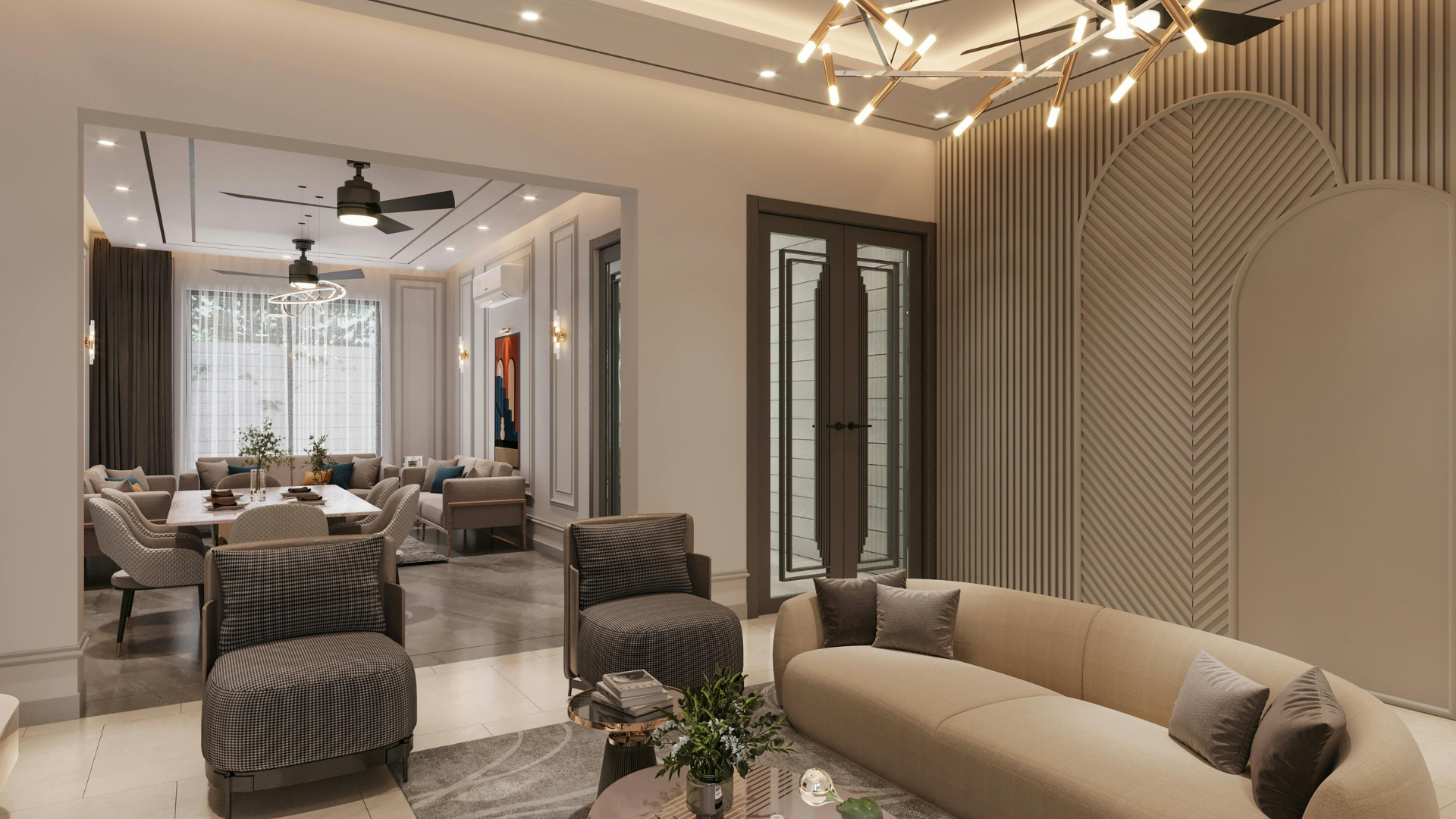
One of the primary considerations when renovating a compact home is identifying functionality priorities. The Best interior designers in Bangalore recommend a thoughtful assessment of lifestyle habits before planning. For example, if working from home has become part of your routine, creating a dedicated workspace is essential, even in limited square footage. This could be a wall-mounted desk, a floating shelf system, or a foldable workstation that seamlessly blends into the décor when not in use. Similarly, if cooking is an everyday need, a well-optimized kitchen layout takes priority over elaborate living room furniture.
Light plays a crucial role in how spacious an area feels. Natural light should be maximized wherever possible by using large windows, sheer curtains, and lighter-colored blinds. Artificial lighting should be layered rather than relying on a single ceiling fixture. Combining ceiling lights, task lights, wall sconces, and floor lamps helps create depth and visually expand space. For compact homes, warm white lighting is often best, as it adds coziness without creating shadows that make rooms appear smaller.
Smart Furniture Choices for Versatility
Furniture drastically impacts the functionality and flow of a room. In smaller homes, bulky or overly decorative furniture can quickly make rooms feel cramped. Instead, opt for slim-profile or multifunctional furniture pieces. A sofa-bed, extendable dining table, wall-mounted TV unit, or nested side tables help maintain flexibility while offering full usability.
Built-in and modular furniture systems are excellent space-savers. They blend seamlessly with walls and eliminate awkward gaps that otherwise collect clutter. Floating furniture—such as wall-mounted shelves, desks, and vanities—keeps the floor open and gives an illusion of spaciousness. Additionally, furniture with exposed legs rather than solid bases creates visual airiness.
Storage furniture is another intelligent investment. Beds with storage drawers, ottomans with hidden compartments, and stair-step cabinets help maintain organization while reducing the need for multiple standalone units.
Maximizing Vertical Design
Walls in small spaces serve beyond decorative purpose—they are valuable real estate for storage and optimization. Floor-to-ceiling wardrobes maximize capacity and reduce clutter. Open shelving in the kitchen, tall bookcases in living rooms, and loft storage in bedrooms help remove seldom-used items from high-traffic areas.
Mirrors are a classic solution for visually enlarging space. Placing mirrors opposite windows or in narrow hallways reflects light and creates depth. Entire mirrored wardrobes are particularly effective in compact bedrooms.
Kitchen Renovation for Small Homes
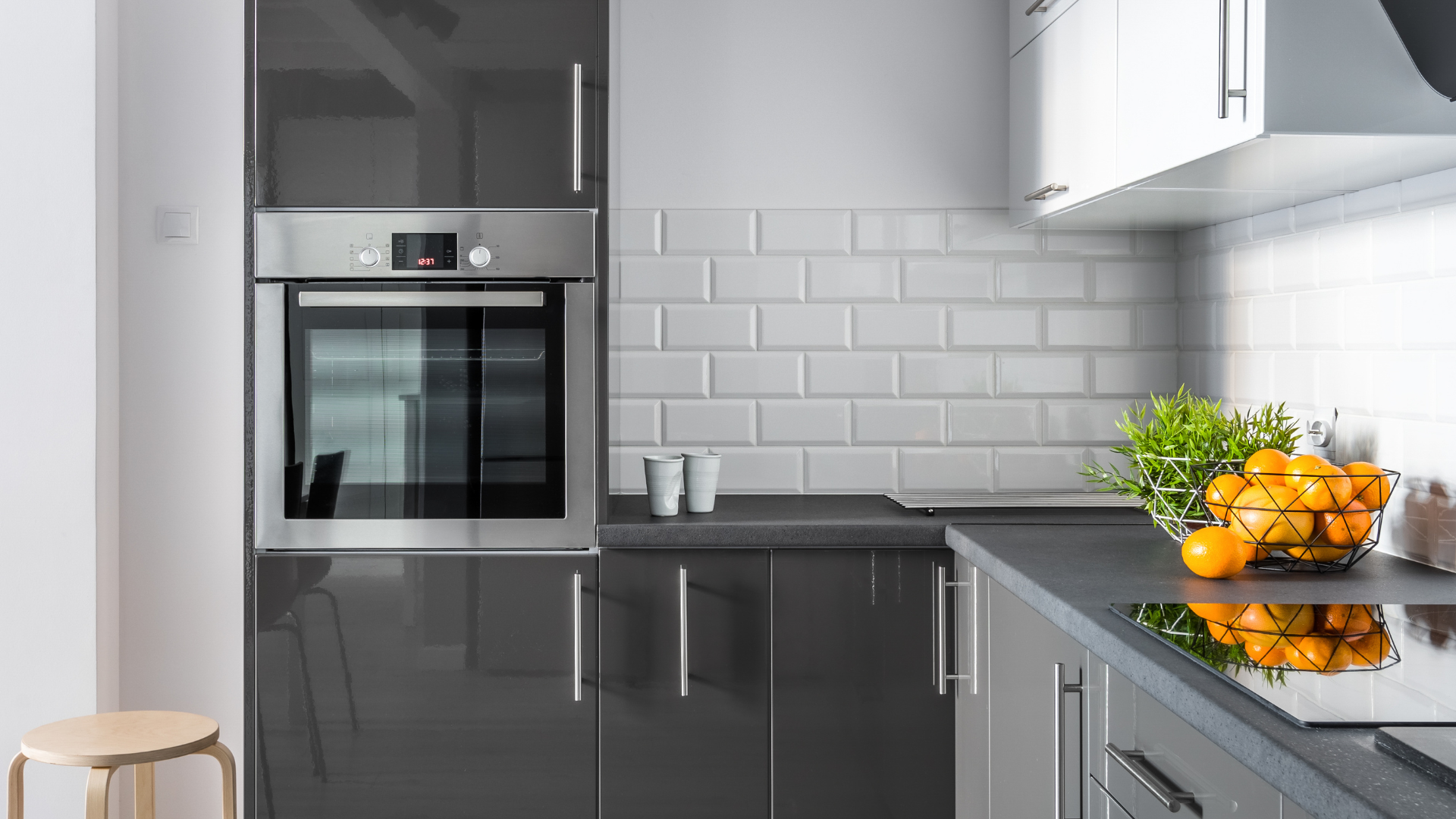
Renovating a small kitchen requires both practicality and creativity. Efficient layouts such as single-wall, L-shaped, or galley-style kitchens help optimize workflow. Pull-out pantries, corner carousels, magnetic knife strips, and under-cabinet lighting enhance functionality without adding bulk. Compact or built-in appliances are highly beneficial, allowing homeowners to enjoy modern conveniences while saving valuable space.
Choosing durable yet stylish materials is equally important. Minimalistic cabinetry with sleek handles, quartz countertops, and glass or mirrored backsplash tiles contribute to a clean and polished look.
Smart Bedrooms for Better Living
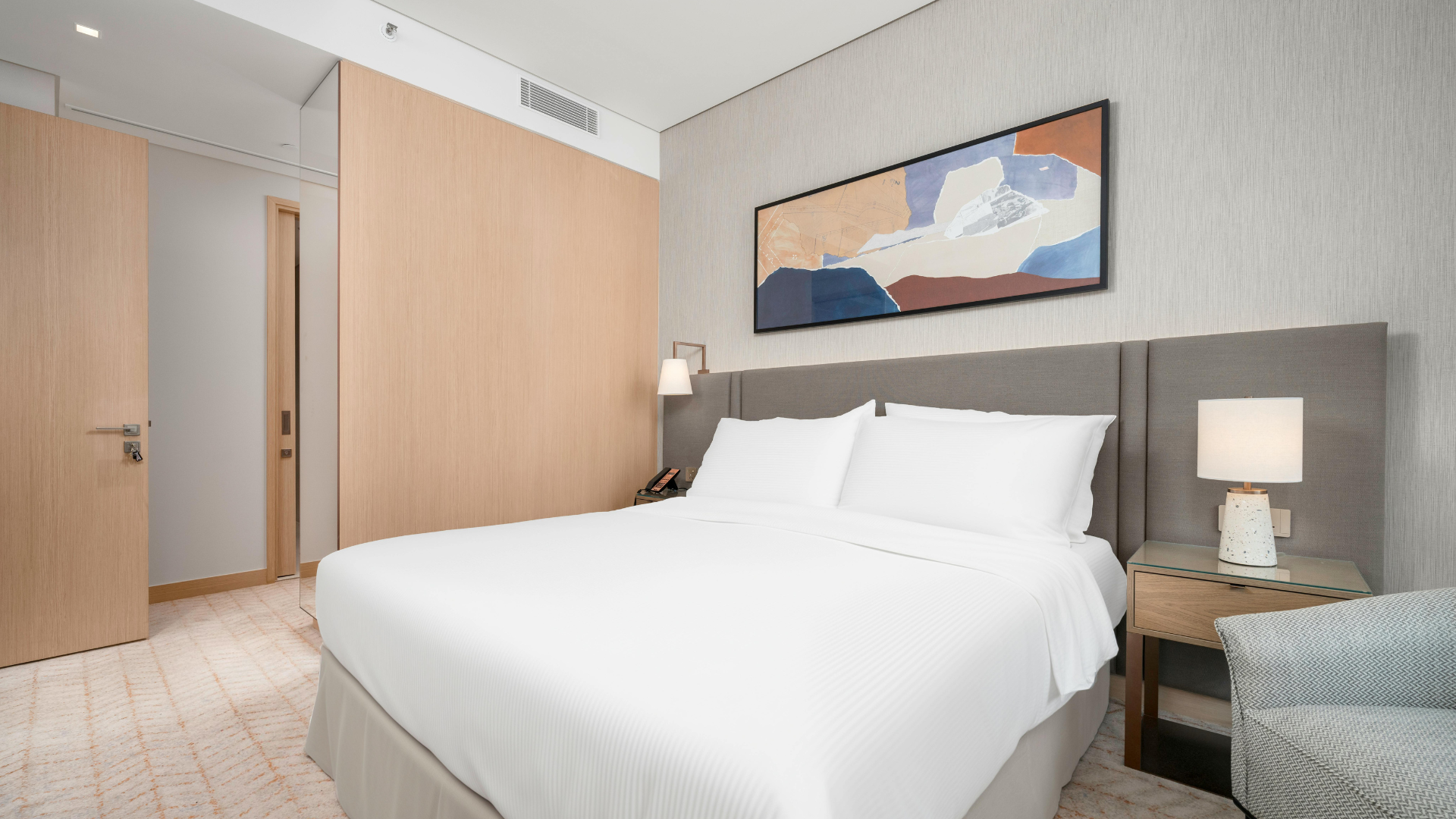
Bedrooms should feel restful yet efficient. Space-saving solutions such as sliding wardrobe doors reduce obstruction and improve room circulation. Incorporating under-bed storage, bedside shelves instead of full cabinets, and wall-mounted lighting results in an uncluttered sleeping area.
If height allows, a loft-style bed can create additional room below for a study area, wardrobe, or reading nook. Soft color schemes, warm lighting, and textured fabrics help maintain a cozy ambiance without overcrowding the design.
Living Room Functionality and Style
The living room is usually the heart of the home, and optimizing it is essential. Modular sofas, foldable coffee tables, and entertainment units with integrated storage create a balanced environment that supports hosting, relaxation, or work-from-home needs. Avoiding excessive accessories is important—every piece should serve a purpose or contribute meaningfully to the overall design.
Rugs and lighting can also define zones without adding walls or physical dividers. A dining area, reading corner, or entertainment setup can be visually separated using textures, placement, and lighting tones.
Compact Bathroom Renovation Solutions
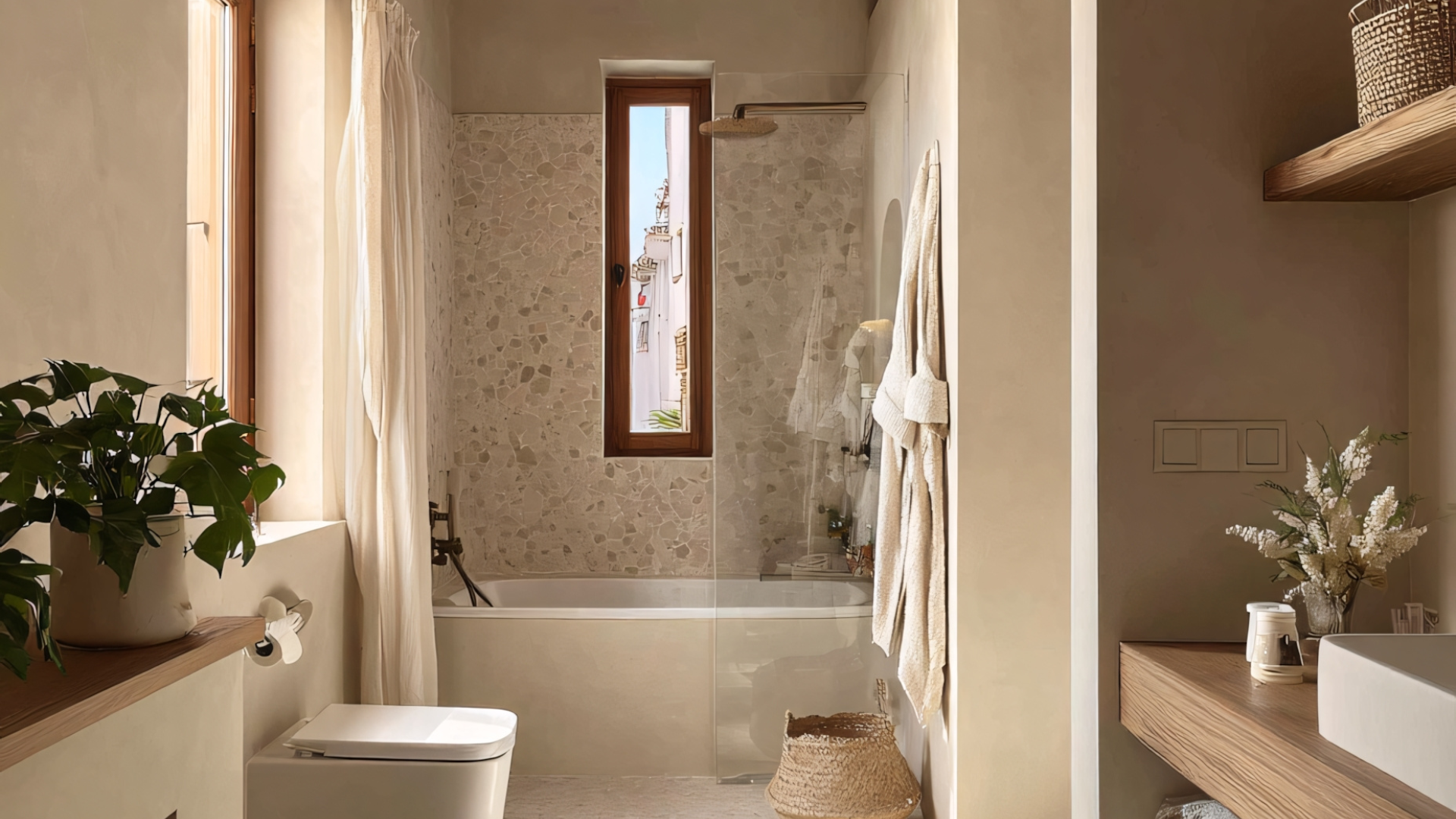
Bathrooms in smaller homes frequently face limitations. Floating vanities, extended mirror cabinets, and narrow yet tall shelving units optimize storage without reducing accessibility. Glass shower partitions instead of curtains expand the visual footprint. Larger tiles with minimal grout lines create a clean look and avoid visual fragmentation.
Smart fixtures—dual-flush toilets, slim towel warmers, and multipurpose shower niches—enhance functionality while keeping the design uncluttered.
Adding Smart Technology for Better Utility
A smart home doesn’t require a large space—it requires thoughtful integration of technology. Automated lighting systems, smart security setups, smart thermostats, and voice-controlled systems improve convenience and efficiency. Multifunctional appliances—such as combined washer-dryers or smart ovens—support compact living while maintaining efficiency.
Technology also enhances space optimization. Motorized blinds, retractable wall beds, or app-controlled lighting help maintain convenience without physical bulk.
Personal Style Without Compromise
After layout, color, and furniture decisions are finalized, finishing touches help define personality. Décor should be intentional, not overwhelming. A set of curated artwork, functional statement pieces, indoor plants, and textured fabrics add warmth and sophistication.
Open shelves or glass-front storage allow display of select items while encouraging minimalist organization habits. The Best interior designers in HSR Layout often highlight that compact homes thrive when carefully curated rather than overly decorated.
Smart, strategic, and aesthetically aligned renovations can transform any compact home into a luxurious and efficient living space. Thoughtful planning ensures that every corner has purpose and every feature enhances comfort and lifestyle quality. With a well-rounded approach to upgrading functionality, storage, layout, and technology, even the smallest space can feel expansive and inspiring.
If you’re planning a transformation and want thoughtful, future-ready solutions that combine efficiency with exquisite design, Eminent Designs can help bring your small-space renovation vision to life with smart planning, craftsmanship, and creativity.
Bringing Balance Through Minimalism and Smart Styling
One of the most transformative principles in renovating compact homes is embracing minimalism—not as a limitation, but as a refined lifestyle philosophy. Minimalism isn’t only about removing objects; it’s about retaining only what adds meaning, beauty, or purpose. When thoughtfully applied, this approach creates a home that feels peaceful, organized, and open. Begin by prioritizing essential items and eliminating decor or furnishings that add visual weight without function. Instead of multiple small objects, consider single impactful décor elements like a statement artwork, a textured rug, or a strategic feature wall. Smart styling also includes creating visual anchors—spaces where the eye can rest—while ensuring the rest of the room remains uncluttered. Hidden wiring, built-in cabinetry, and cohesive materials reduce visual noise and bring harmony to the space. Plants are another minimal yet powerful design element that add life without crowding the layout. The goal is to create balance: enough furniture to support comfort and lifestyle while maintaining breathable spacing. When minimalism meets smart design, even the smallest home feels calm, elegant, and thoughtfully curated rather than restricted or crowded.