
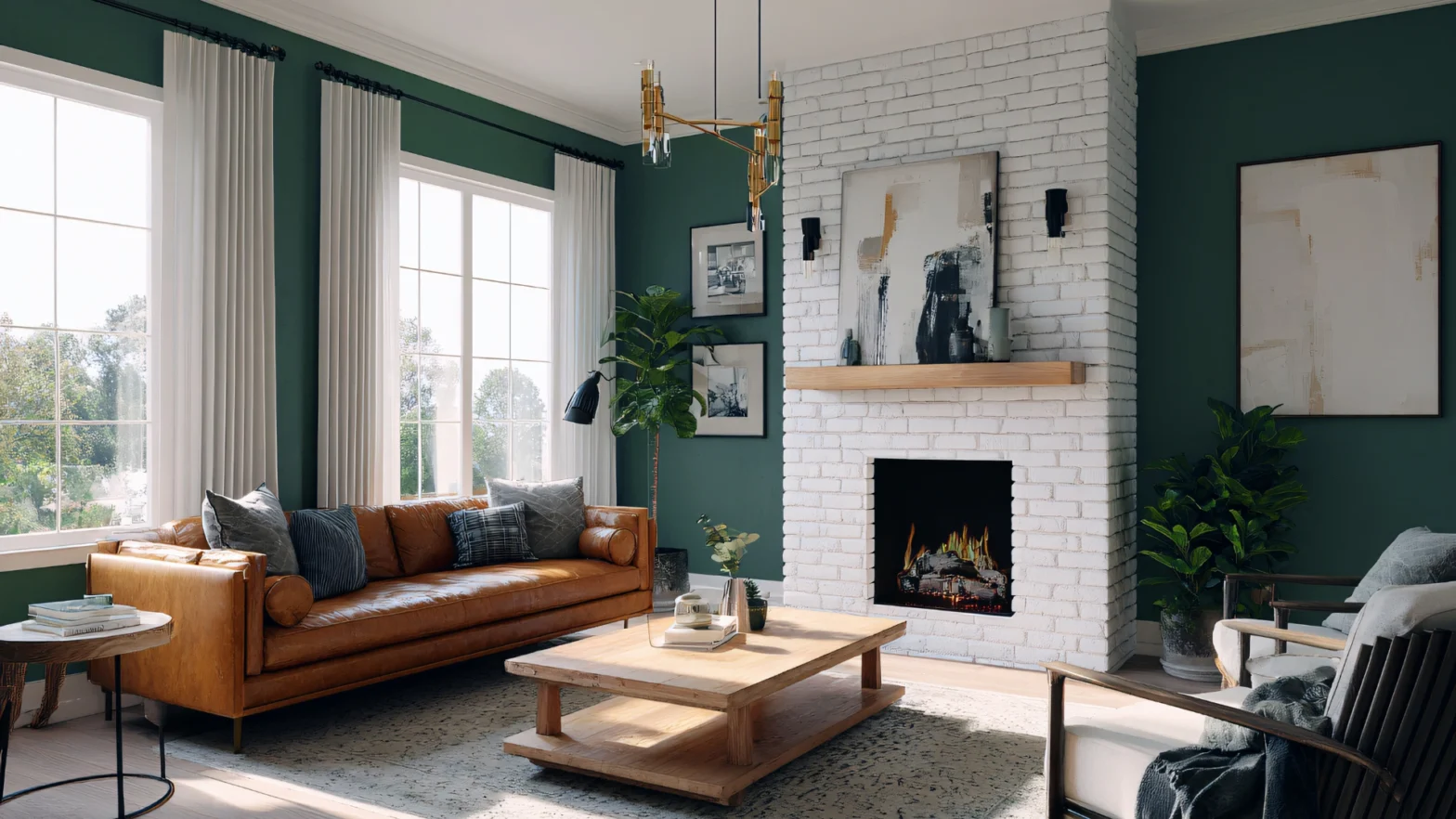
Eco-Friendly Interior Designs for a Sustainable Home
In the contemporary world, the concept of a home has transcended the traditional definition of a mere shelter. It has evolved into a sanctuary that reflects personal values, lifestyle choices, and an increasing responsibility toward the environment. For a digital marketing expert who has observed the interior design industry for over a decade, the shift is palpable. Ten years ago, the conversation was dominated by opulence and grandeur. Today, the dialogue has shifted toward sustainability, wellness, and harmony with nature. This transition is not a fleeting trend but a fundamental change in how people view their living spaces. Homeowners now seek environments that are not only visually stunning but also ecologically responsible.
Creating an eco-friendly home is about more than just placing a few potted plants in the living room. It involves a holistic approach to design that considers the environmental impact of every decision, from the flooring material to the lighting fixtures. This comprehensive guide explores the essential elements of sustainable interior design, offering a roadmap for creating a home that is kind to the planet and healthy for its inhabitants.
The Principles of Sustainable Living Spaces
The foundation of an eco-friendly interior lies in reducing the carbon footprint associated with building and maintaining a home. This begins with energy efficiency. A well-designed sustainable home utilizes the natural environment to regulate temperature and illumination, thereby reducing reliance on artificial heating, cooling, and lighting. This practice, known as passive design, involves the strategic placement of windows to maximize natural light and cross-ventilation. By harnessing the sun and wind, homeowners can significantly lower their energy consumption and utility bills.
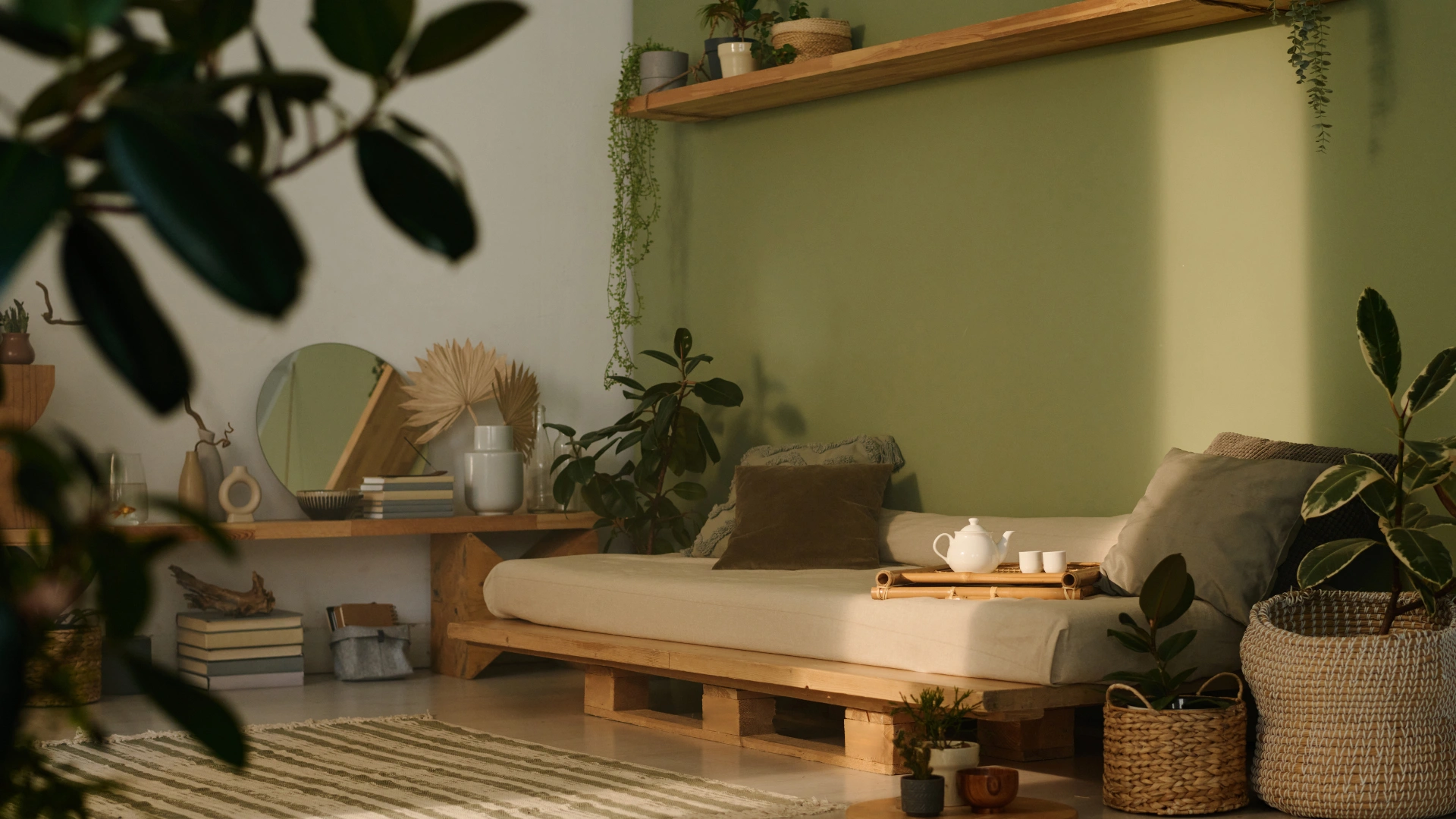
Beyond energy, the focus shifts to waste reduction. The interior design industry has historically been a significant contributor to landfill waste, with “fast furniture” being discarded rapidly. Sustainable design advocates for longevity and durability. It encourages investing in high-quality pieces that stand the test of time, rather than cheap, trendy items that deteriorate quickly. This philosophy also embraces the concept of adaptability—designing spaces that can evolve with the changing needs of the family, reducing the need for frequent, resource-intensive renovations.
Another critical aspect is the indoor environment quality. Modern homes are often filled with synthetic materials that release volatile organic compounds (VOCs) into the air, contributing to respiratory issues and allergies. An eco-friendly approach prioritizes non-toxic paints, adhesives, and finishes, ensuring that the air inside the home is clean and safe. This is particularly crucial in urban environments where outdoor air quality may already be compromised.
Navigating these technical aspects requires expertise. Professional guidance can help homeowners make informed choices that balance aesthetics with environmental responsibility. The Best Interior Designers in Bangalore have been at the forefront of this movement, integrating green building codes and sustainable practices into luxury residential projects. These experts understand that sustainability does not mean compromising on style; rather, it opens up new avenues for creative, organic, and timeless design.
Also read: Color Trends of 2026 That Elevate Your Interiors.
Choosing Materials with a Conscience
The materials chosen for a home determine its environmental impact and its aesthetic character. In the past, the sourcing of materials was rarely questioned. Today, conscious homeowners demand transparency regarding where their furniture comes from and how it was made.
Bamboo has emerged as a superstar in the sustainable material world. Unlike traditional hardwoods that take decades to mature, bamboo is a grass that grows rapidly and can be harvested every three to five years without killing the plant. It is incredibly durable and versatile, suitable for flooring, furniture, and even cabinetry. Its natural grain adds a warm, contemporary feel to interiors.
Textiles are the soft touch in interior design, and here too, natural fibers reign supreme. Organic cotton, linen, wool, and jute are biodegradable and produced without the harmful pesticides and synthetic fertilizers used in conventional cotton or petroleum-based polyesters. A jute rug or linen curtains not only look elegant but also decompose naturally at the end of their lifecycle, unlike synthetic alternatives that linger in landfills for centuries.
Upcycling and repurposing are perhaps the most creative forms of sustainable sourcing. Instead of discarding old furniture, an eco-friendly design approach looks for potential. An antique dresser can be refinished with non-toxic varnish, or a vintage armchair can be reupholstered with organic fabric. This not only saves resources but also preserves the emotional value and stories attached to family heirlooms.
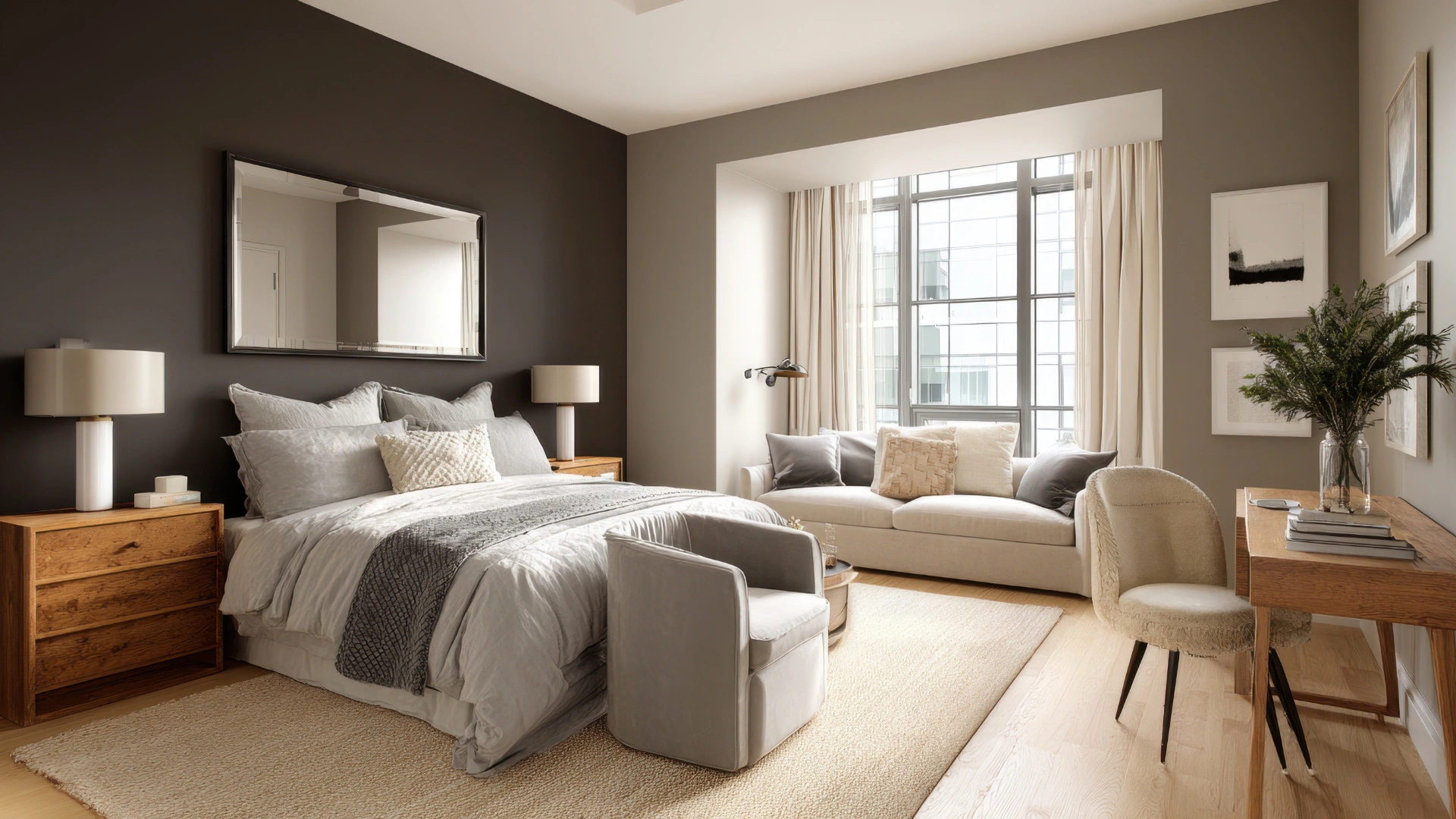
Energy Efficiency and Location-Specific Design
While materials form the physical structure of the interior, energy efficiency dictates how the home functions day-to-day. Lighting plays a pivotal role here. The shift from incandescent bulbs to LED technology has been a game-changer. LEDs consume a fraction of the electricity and have a much longer lifespan. However, sustainable lighting design goes beyond the bulb. It involves layering light—using task lighting, ambient lighting, and accent lighting effectively—so that lights are only used where and when necessary.
The location of the home also dictates specific design needs. In rapidly developing urban corridors, the design must address challenges like heat islands and noise pollution. For instance, interiors in bustling city expansions need to focus heavily on thermal insulation and soundproofing using sustainable materials like cork or cellulose. Homeowners looking for the Best Interior Designers in Sarjapur road often prioritize these functional aspects. They seek professionals who can create a cool, quiet oasis amidst the urban hustle, utilizing designs that keep the indoor temperature pleasant naturally, thereby reducing the load on air conditioners.
Water conservation is another pillar of the sustainable home often addressed during the interior design phase. Low-flow faucets, dual-flush toilets, and water-efficient appliances are standard recommendations. In the kitchen and bath, choosing durable fixtures that don’t need frequent replacement further reduces waste.
The Future of Healthy Homes
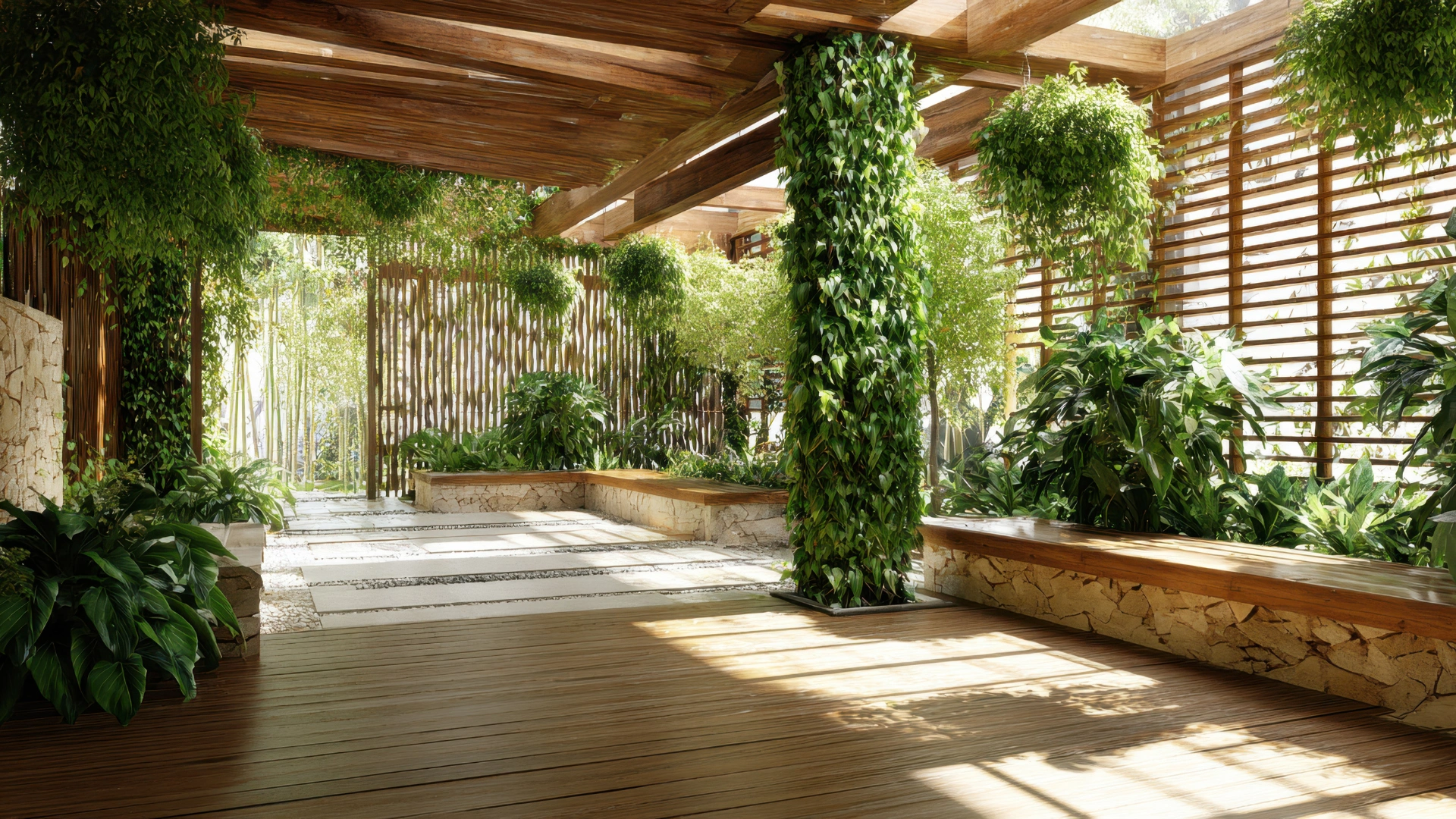
Ultimately, the goal of eco-friendly interior design is to foster a connection between the inhabitants and the natural world, a concept known as Biophilic Design. This approach suggests that humans have an innate biological need to connect with nature, and fulfilling this need contributes to physical and mental well-being.
Integrating nature into the home can be achieved through vertical gardens, indoor courtyards, and the extensive use of indoor plants. Plants act as natural air purifiers, absorbing toxins and releasing oxygen. Species like the Snake Plant, Spider Plant, and Peace Lily are not just decorative; they are functional elements of a healthy home ecosystem.
The layout of the furniture also contributes to this well-being. Open floor plans that allow light and air to flow freely prevent the stagnation of energy and pollutants. The use of natural colors—earthy browns, calming greens, and sky blues—creates a psychological sense of peace and grounding.
As the world continues to grapple with environmental challenges, the importance of sustainable interior design will only grow. It is no longer a niche market for the eco-conscious few but a standard for modern living. A sustainable home is an investment in the future—an investment in the health of the planet and the health of the family. It proves that luxury and responsibility can coexist. By making mindful choices about materials, energy, and waste, homeowners can create spaces that are beautiful, comfortable, and truly sustainable. This shift in perspective is the legacy that the current generation of designers and homeowners will leave behind, turning houses into responsible habitats that nurture life in all its forms.